
What is Phoma tracheiphila (Flyworm)?
Phoma tracheiphila is a fungal species that causes serious damage to plants. This pathogen causes a disease called “flybug” in citrus trees (orange, lemon, tangerine, grapefruit, etc.). The disease can affect the tree’s branches, leaves, and fruit, causing significant yield losses.
Features of Phoma tracheiphila
- Vascular Rot : Phoma tracheiphila infects the xylem (vascular tissues) of plants. This infection inhibits the plant’s ability to transport water and nutrients.
- Resistance to Conditions : This fungus becomes more active in warm and humid climates, especially prevalent in regions such as Mediterranean climates.
- Slow Progression : The infection usually progresses slowly, but in the long run it can affect significant parts of the plant and eventually cause the death of the plant.
Symptoms of Flyworm Disease
Leaf Wilt and Yellowing :
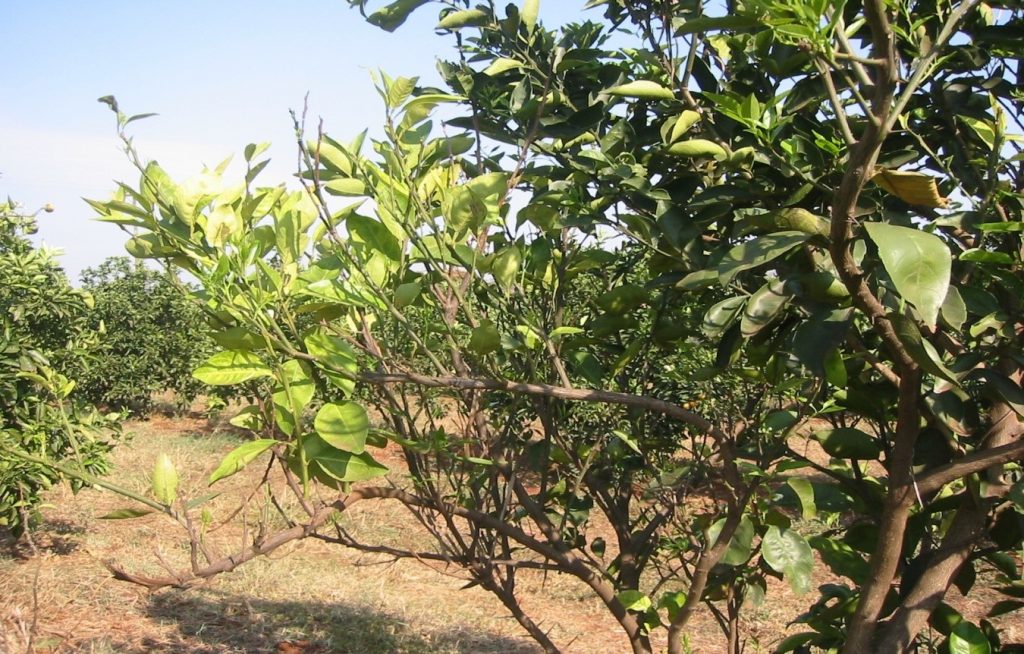
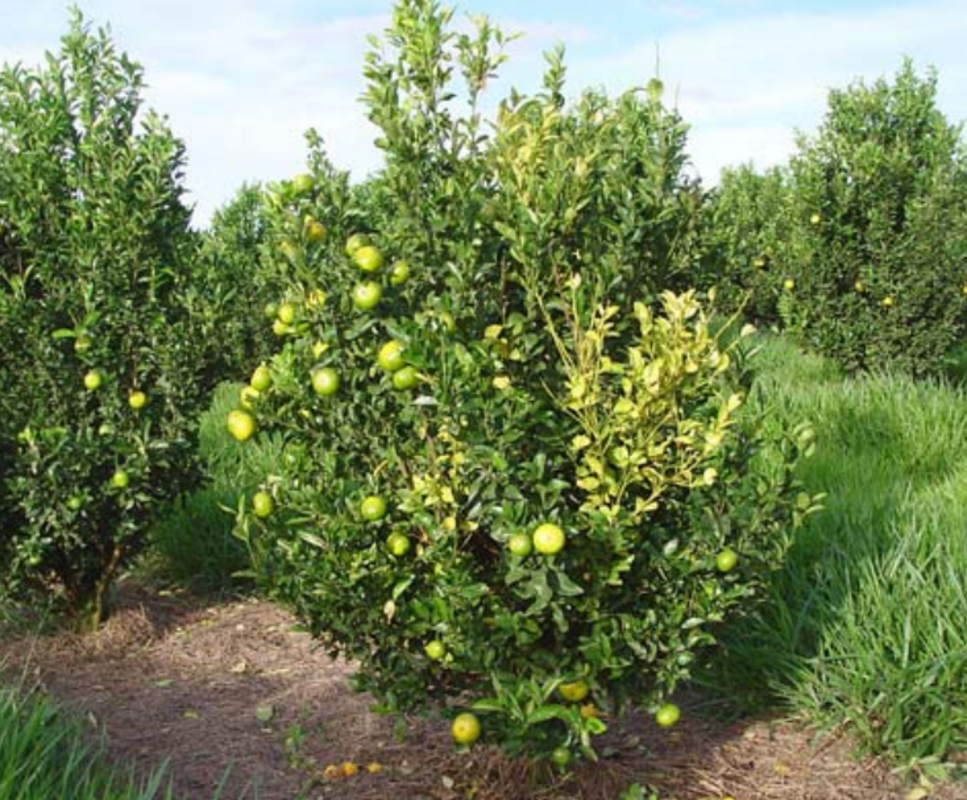
- In the early stages of the disease, leaves on infected branches wilt and turn yellow. This usually begins at the tip of the branch and gradually spreads downward.
Drying of Branches :
- As the disease progresses, infected branches dry out completely and become bare, damaging the tree’s overall appearance and reducing its productivity.
Vein Darkening :
- When infected branches are cut, blackening of the vascular bundles is observed. This blackening is caused by the fungus clogging the xylem tissue.
Fruit Rot :
- Infected trees produce small, deformed fruit that falls prematurely. Fruit may become rotten, and fruit quality is severely reduced.
Spread of Phoma tracheiphila
- Rain and Irrigation Water : Fungal spores can be carried by water. Spores can be spread during rainwater or irrigation and infect other plants.
- Wind and Insects : Spores can be transported between plants by wind and insects.
- Human Activity : Pruning tools, agricultural machinery, and human hands can spread the fungus to other plants. Therefore, hygiene measures are important.
Which Product is the Solution?
It is PHOSFULL SET that acts on Phytophthora.
Application Methods:
PHOSFULL SET
Maxtor+Fitor+Phosfull Set bottom application;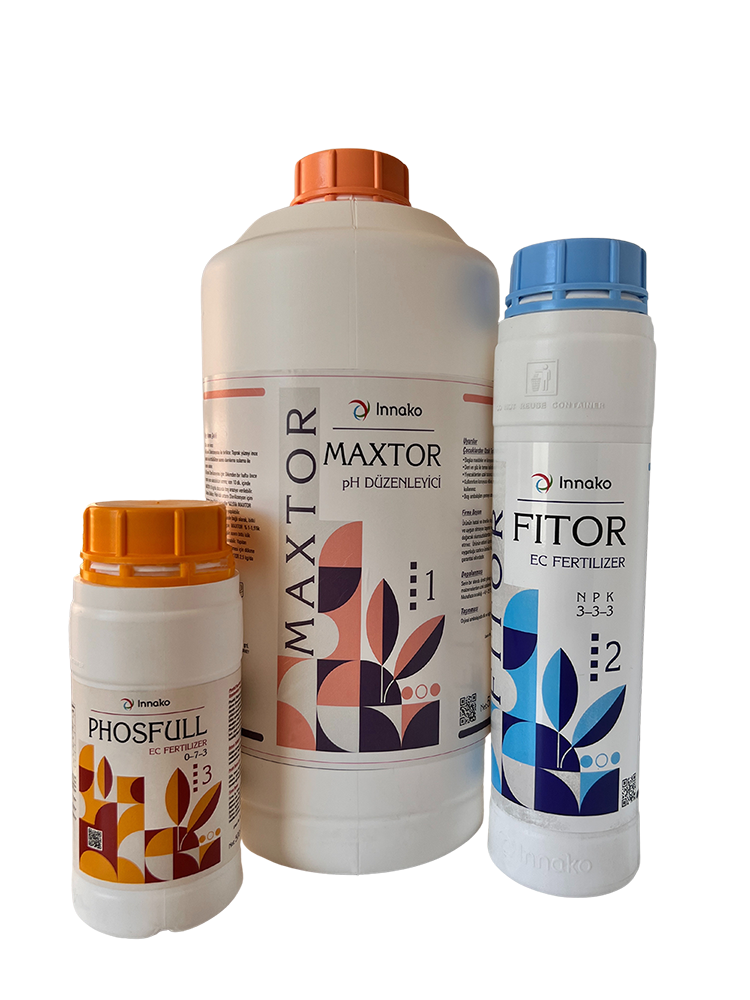
4 sets of Maxtor+Fitor+Phosfull are added to minimum 250 liters of water for 1 hectare (10 acres) and applied via dripping in the last 20 minutes of irrigation.
Maxtor+Fitor+Phosfull Set top application;
2 sets of Maxtor+Fitor+Phosfull are added to 1,000 liters of water and applied by washing the plant from the top.
The treatment should be applied twice in a row, on Day 1 and Day 5. Depending on the severity of the condition, reapplications may be made every two weeks.
Struggle Methods
- Cultural Measures :
- Infected branches should be pruned and destroyed regularly. During pruning, tools should be disinfected to prevent fungal spores from spreading to healthy plants.
- To ensure good air circulation in citrus orchards, the distance between trees should be increased and weeds between the trees should be cleared.
- Chemical Control :
- Copper-based fungicides and similar chemicals can be used to control the spread of the fungus. Chemical treatments can be especially effective during periods when the fungus is active, such as spring and fall.
- Use of Resistant Varieties :
- Citrus varieties resistant to flyworm disease have been developed. Choosing these varieties can help prevent the spread of the disease.
- Drainage Improvement :
- Soil drainage should be improved to prevent water accumulation and prevent the creation of suitable environments for fungal growth.
- Cultural Measures :
Economic and Ecological Importance of Flyworm Disease
Phoma tracheiphila can cause significant economic losses, especially in citrus-growing regions. The disease reduces the productivity of citrus trees, impairs fruit quality, and shortens tree lifespan. This disease poses a significant threat to citrus cultivation, particularly in the Mediterranean region. Controlling the disease and implementing appropriate management methods are critical to the sustainability of citrus production. This information will help you understand the characteristics of the Phoma tracheiphila fungus, the flyworm disease it causes, and methods for controlling it.