
What is Pseudomonas syringae?
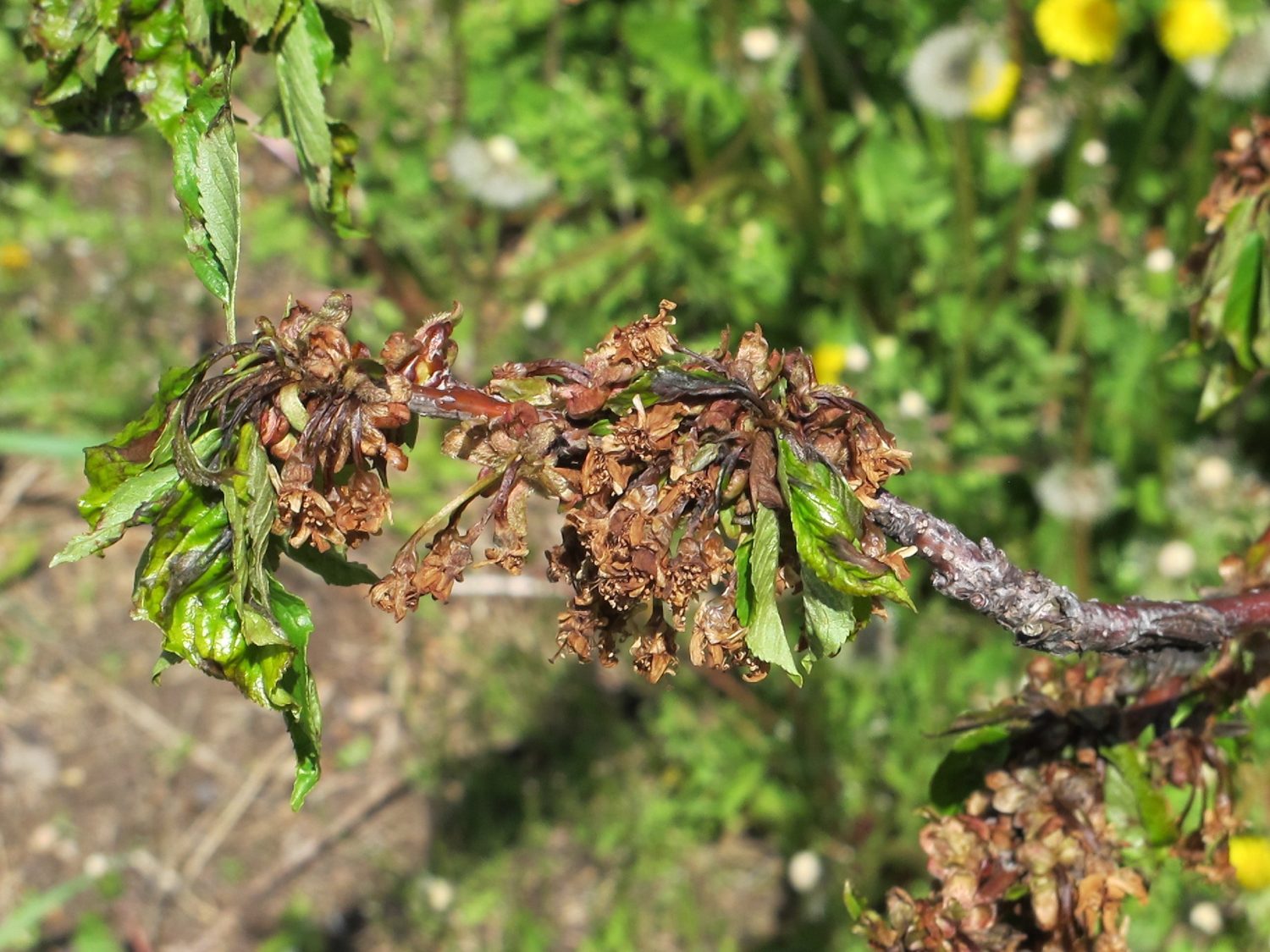
Pseudomonas syringae is a Gram-negative bacterium that causes diseases in plants. This bacterium can cause significant economic losses in many agricultural crops. Pseudomonas syringae species primarily infect leaves, fruits, stems, and roots of plants, causing diseases such as bacterial blight or pathogenic spot. This bacterium is widespread worldwide and has a very wide plant host range.
Characteristics of Pseudomonas syringae
- Diversity : The bacterium Pseudomonas syringae has many different pathovars (plant pathogenic species). Each pathovar causes disease in a specific plant species.
- Extreme Environmental Resistance : This bacterium can survive a variety of environmental conditions. It can proliferate particularly effectively in cold and moist environments.
- Ice Nucleation : The bacterium Pseudomonas syringae can cause ice crystals to form in plants thanks to certain proteins. This ability allows the bacteria to more easily enter the plant, causing frost damage.
Diseases Caused by Pseudomonas syringae
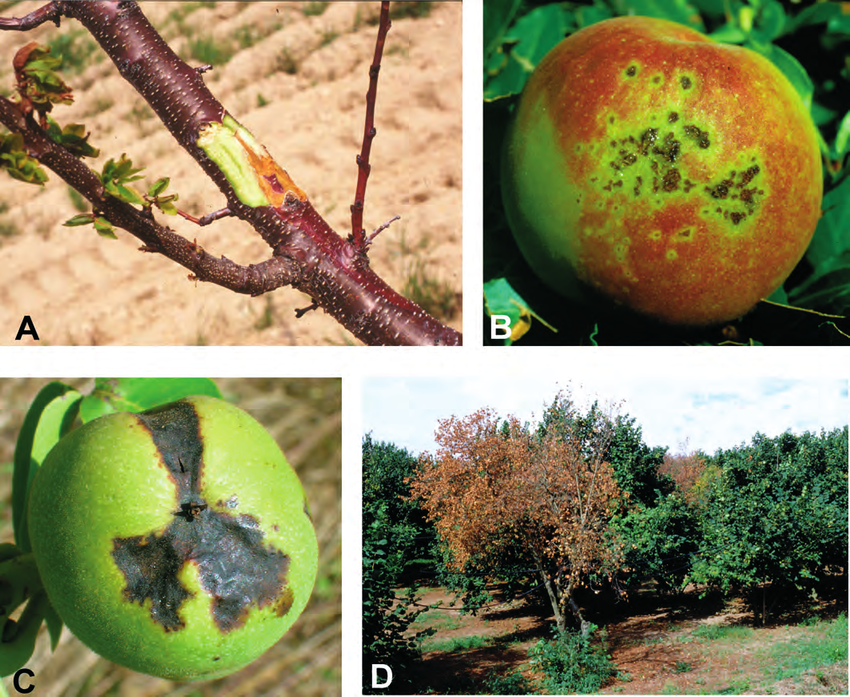
- Bacterial Blight :
- It creates water-soaked brown or black spots on the leaves of plants.
- These spots can coalesce over time, causing a large portion of the leaf to appear burned.
- Fruit Rot :
- Infected fruits develop brown rotten spots, which reduce the quality and market value of the fruit.
- Trunk and Branch Cancers :
- Blistering, blackened cankers form on the plant’s trunk and branches. These cankers disrupt the plant’s nutrient transport system, weakening it.
- Leaf Spot Disease :
- Round or irregularly shaped, water-soaked spots appear on the leaves. These spots are often surrounded by a yellow halo.
Spread of Pseudomonas syringae
- Waterborne : Rainwater and irrigation systems can help spread the bacteria between plants.
- Wind and Rain Spread : Bacteria can spread between plants by wind and rain.
- Farm Equipment and Human Activity : Farm equipment and workers who come into contact with infected plants can transmit the bacteria to other plants.
Which Product is the Solution?
It is PHOSFULL SET that acts on Phytophthora.
Application Methods:
Maxtor+Fitor+Phosfull Set bottom application;
4 sets of Maxtor+Fitor+Phosfull are added to a minimum of 250 liters of water for 1 hectare (10 acres) and applied via drip in the last 20 minutes of irrigation.
Maxtor+Fitor+Phosfull Set top application;
2 sets of Maxtor+Fitor+Phosfull are added to 1,000 liters of water and applied by washing the plant from the top.
The treatment should be applied twice in a row, on Day 1 and Day 5. Depending on the severity of the condition, reapplications may be made every two weeks.
Struggle Methods
Use of Resistant Varieties : Developing and using plant varieties resistant to Pseudomonas syringae can prevent the spread of the disease.
Hygiene Measures : Elimination of infected plant material is important to prevent the spread of disease.
Watering Management : Avoiding over-watering and preventing water from pooling on plants can prevent the spread of bacteria.